What is Adhesive Label Sheets and How Are They Used?
Adhesive Label Sheets are versatile tools widely used for various labeling needs. These sheets feature a sticky backing, allowing them to adhere to numerous surfaces. From organizing office supplies to crafting personalized gifts, their applications are limitless.
Businesses often utilize Adhesive Label Sheets for product labeling. Customizable options enable companies to include logos and essential information. Home users find them helpful for categorizing storage boxes or creating fun decorations. The ease of printing at home simplifies the process, making it accessible for everyone.
Despite their many uses, there are challenges. For instance, not all printers handle these sheets equally well. Some labels may smudge or misalign, leading to wasted material. Additionally, selecting the right adhesive strength is essential; too strong can damage surfaces, while too weak may result in peeling. Understanding these nuances allows for better usage of Adhesive Label Sheets.
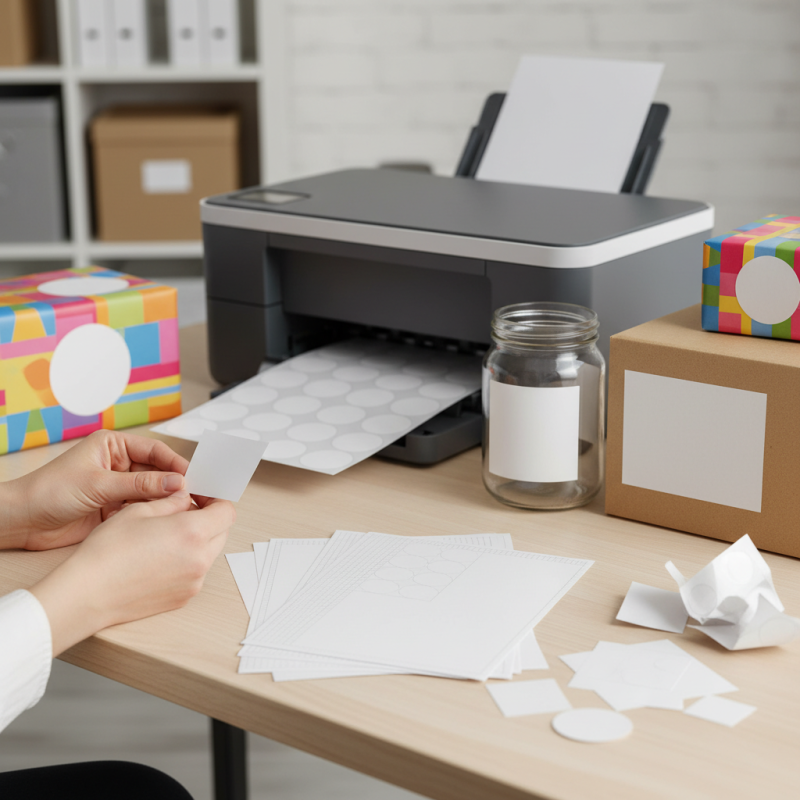
Definition of Adhesive Label Sheets and Their Components
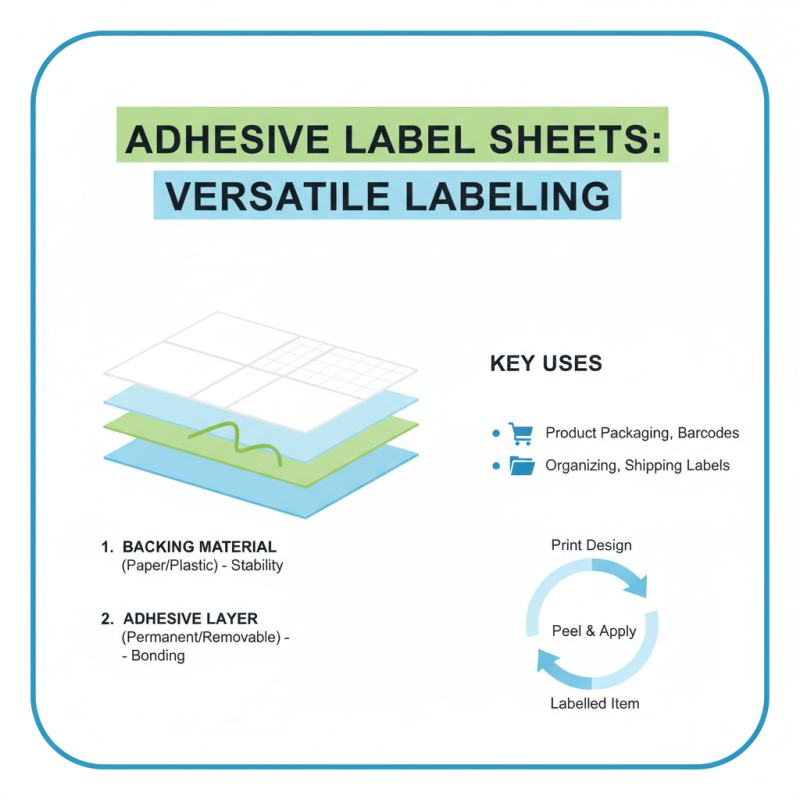
Adhesive label sheets are versatile products in the labeling industry. They consist of a backing material, an adhesive layer, and a top label surface. The backing is usually made of paper or plastic, providing stability. The adhesive can be permanent or removable, depending on the application. The label surface often features a printable area, allowing users to customize their labels.
According to industry reports, the global adhesive label market was valued at approximately $36 billion in 2020. It is expected to grow significantly over the next few years. This growth is driven by increasing demand for product labeling in various sectors, including food, pharmaceuticals, and logistics. Customizable features improve usability. However, not all users maximize these features effectively.
A challenge many face is ensuring label adhesion under diverse conditions. Some environments pose risks to the durability of adhesion. Data shows that about 20% of labels fail to stick properly, leading to inefficiencies. This highlights the need for better research in adhesive technologies. Users are constantly seeking solutions to improve the reliability of their labels.
Common Types of Adhesive Label Sheets and Their Applications
Adhesive label sheets come in various types, each with unique applications. One common type is the paper label sheet. These sheets are versatile and easy to print. They’re used for product labeling, shipping addresses, and organizing files. Industries often turn to paper labels for their cost-effectiveness. According to a recent market report, 55% of companies prefer paper labels for everyday tasks.
Another popular option is vinyl label sheets. These are waterproof and durable. They are ideal for outdoor use or products exposed to moisture. Many companies utilize vinyl labels for branding and signage. In a survey, about 30% of respondents noted that vinyl labels helped enhance product visibility. However, some users may find them challenging to remove without leaving sticky residue.
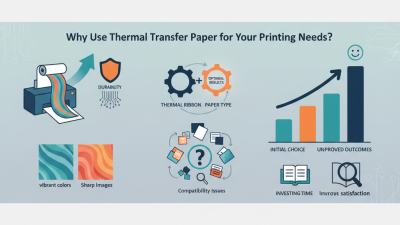
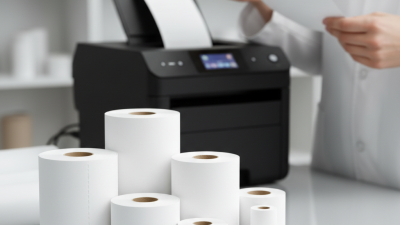
Lastly, thermal transfer label sheets offer precision. They are used in warehouses and for inventory tracking. Businesses favor these sheets for their reliability and clarity. Yet, users sometimes encounter issues with printer compatibility. Choosing the right label sheet can significantly impact efficiency. Careful selection ensures that labels fulfill their intended purpose without complications.
How to Use Adhesive Label Sheets for Different Purposes
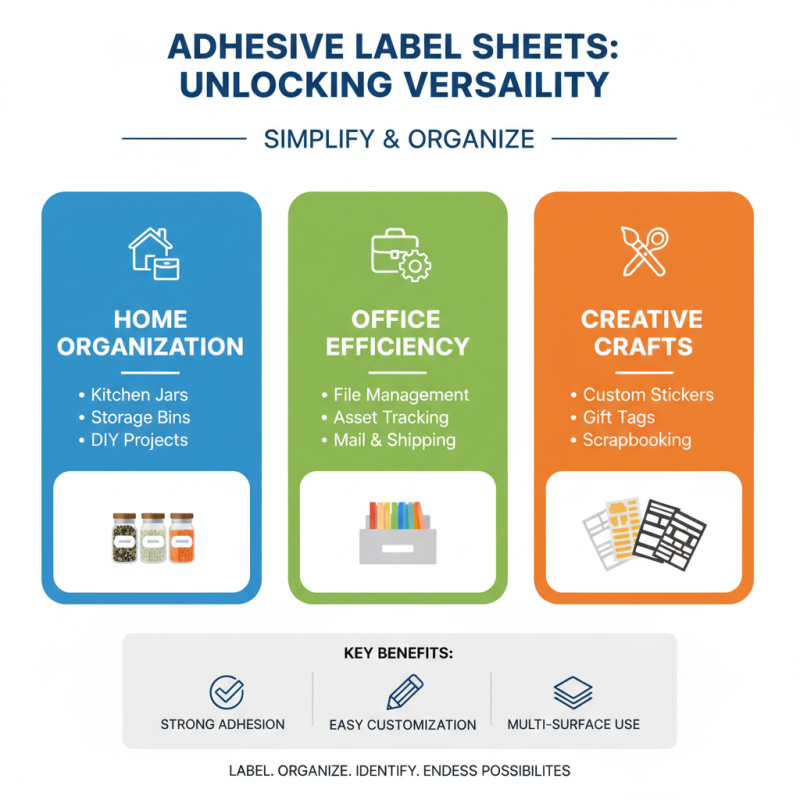
Adhesive label sheets are versatile tools used across various settings. They stick well and offer simplicity in labeling, organizing, and identifying items. People use these sheets for home, office, and even craft projects. When you start using adhesive label sheets, consider your needs carefully.
For organization, label sheets help keep items tidy. Use them to mark boxes, files, or storage containers. Choose clear fonts and easy-to-read sizes. A cluttered label can confuse. If you’re labeling items for a move, clearly indicate the contents, like “Kitchen Items” or “Books.”
When it comes to crafts, adhesive labels can elevate your projects. Personalize gifts by adding custom labels. Design them online for a special touch. Use vibrant colors and fun fonts. Even small mistakes can give a homemade charm. Print extra labels, as you may need them later.
Tips: Always test the adhesive on a small area first. Make sure it holds well without damaging surfaces. Keep your workspace clutter-free to avoid distractions while creating. Consider how you’ll remove labels later — some adhesives can leave residue.
Benefits of Using Adhesive Label Sheets in Various Settings
Adhesive label sheets are versatile tools used in many settings. They come in a variety of sizes and materials, making them suitable for different applications. For home organization, these labels can help categorize boxes or jars, ensuring items are easy to find. At offices, they streamline tasks like labeling files or creating name tags for events. The simplicity of adding a quick label can save time and reduce confusion.
In retail environments, adhesive labels play a crucial role. They can be used to price items, provide product information, or create promotional tags. Shoppers appreciate clear and easy-to-read labels. This enhances their buying experience and can lead to increased sales. However, despite their usefulness, some users struggle with alignment and positioning. A crooked label can diminish the professional appearance of a product.
Moreover, educational settings benefit from adhesive label sheets. Teachers can use them to mark classroom supplies or create customized resources for students. This promotes a more organized space. Yet, it's essential to ensure that labels are updated regularly. Outdated labels can confuse students and hinder the overall learning experience. Balancing creativity with functionality remains a challenge in using adhesive labels effectively.
Tips for Storing and Maintaining Adhesive Label Sheets
When using adhesive label sheets, proper storage is crucial. Keep them in a cool, dry place. High humidity can damage the adhesive. Exposure to sunlight can fade the labels over time. A simple filing system can help manage your sheets. Use a binder or a storage box. Label them clearly for easy access.
Avoid stacking heavy items on top of your sheets. This can cause creases and bends, making labeling difficult. Regularly check your storage for any signs of damage or wear. It’s easy to forget about them until you need them. You might also consider organizing them by type or purpose. This can save time and reduce frustration when you need to print labels.
Remember that not all sheets are created equal. Sometimes, the adhesive can weaken over time. Conduct a quick test before applying them to important documents. Such small details matter in achieving the best results. Keeping them in optimal conditions ensures longevity and effectiveness. Reflect on your current storage methods. Are they efficient, or could they use improvement?
What is Adhesive Label Sheets and How Are They Used? - Tips for Storing and Maintaining Adhesive Label Sheets
| Dimension |
Description |
| Sheet Size |
8.5 x 11 inches |
| Material |
Polyester, Paper |
| Adhesive Type |
Permanent, Removable |
| Printing Method |
Inkjet, Laser |
| Common Uses |
Product labeling, Barcodes, Organizing |
| Storage Tips |
Store in a cool, dry place away from direct sunlight |
| Shelf Life |
Up to 2 years if stored properly |
| Maintenance |
Keep in original packaging until use, avoid excess humidity |


 Phone
Phone Send Email