Leave Your Message
Choosing the best Adhesive Label Sheets supplier in China involves more than comparing quotations. A low unit price can hide inconsistent cutting, weak release liners, or adhesive that lifts from a curved bottle. Buyers need evidence: material specifications, sample sheets, production controls, and clear answers about customization and lead times.
The opportunity is substantial, but market figures need context. Grand View Research estimated the global self-adhesive labels market at USD 48.8 billion in 2023 and projected a 5.3% compound annual growth rate from 2024 to 2030. That category includes more than label sheets, so it should not be treated as a sheet-specific forecast. Still, it signals broad demand for reliable pressure-sensitive labeling. Small details matter.
Adhesion scientist Dr. Steven Abbott captures a key technical principle: “Adhesion is all about the interface.” For buyers, that means testing the actual face stock, adhesive, and intended surface—not relying on a catalog description alone. A useful supplier should explain how paper or film, adhesive strength, sheet dimensions, and storage conditions affect performance. Ask for samples. Check whether corners peel after application, whether sheets feed cleanly through your printer, and whether the supplier can document repeatable quality. No supplier is best for every job. The right choice depends on the application, order volume, and verified performance.
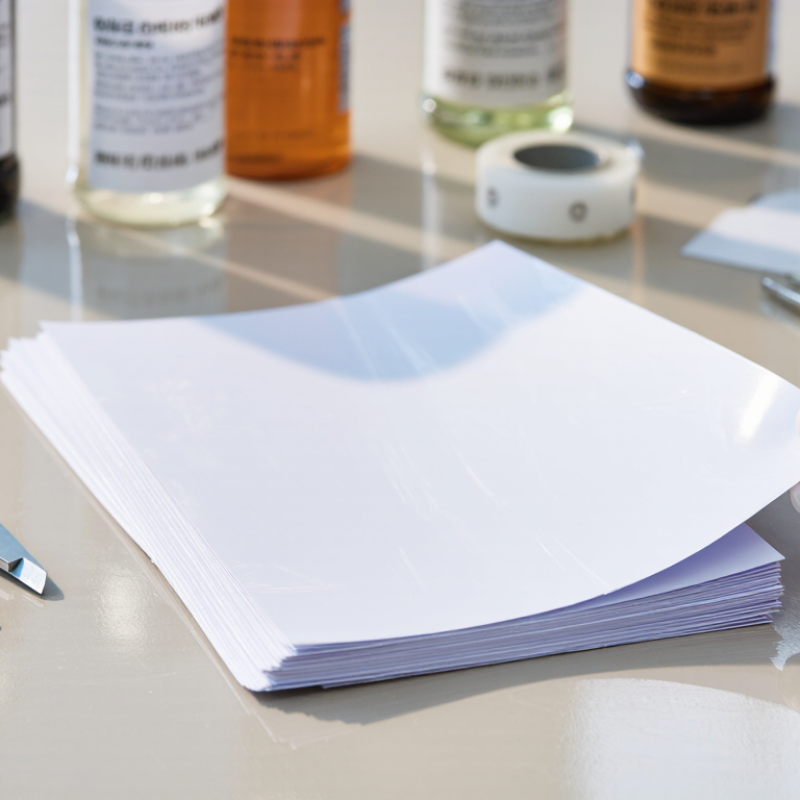
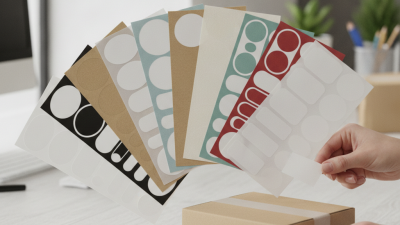
Adhesive label sheets are flat sheets divided into individual labels, each with a printable face and a peel-away backing. The face may be paper for everyday use or film for better resistance to moisture and handling. Simple, but useful. A desktop printer can produce address labels, storage tags, product information, or small batches of packaging labels. The sheet format is convenient when a roll printer is not available. Before printing, check that the sheet size and adhesive type suit the printer and surface. Glossy stock may not work well with every printer, and labels can peel from dusty or uneven containers.
These sheets are used on folders, jars, cartons, retail packaging, and office supplies. A small bakery might label ingredient containers; a warehouse may mark bins with item names and barcodes. For outdoor or frequently handled items, a durable face and stronger adhesive may be appropriate, but performance depends on temperature, surface texture, and exposure to moisture. A test sheet is worth the small delay. It can reveal misaligned printing or edges that lift after application. When evaluating a supplier in China, request material details and samples, then check print quality, sheet dimensions, and adhesive performance under real conditions. No single label works perfectly everywhere.
Adhesive label sheets are printable sheets with pressure-sensitive labels attached to a release liner. The right option depends on the label material, adhesive, printing method, application surface, and expected environment.
| Label Sheet Type | Common Adhesive | Typical Uses | Suitable Surfaces or Conditions | What to Confirm with a Supplier |
|---|---|---|---|---|
| Coated paper | Permanent acrylic or rubber-based | Product packaging, office organization, address labels, and retail labeling | Commonly used on clean, dry, smooth surfaces in ordinary indoor conditions | Print compatibility, sheet size, label layout, finish, and adhesive performance on the intended surface |
| Uncoated paper | General-purpose permanent adhesive | Shipping labels, filing, inventory marking, and handwritten identification | Best suited to dry, relatively smooth surfaces; paper labels may be affected by moisture | Whether the face stock works with the intended printer and whether the label needs moisture resistance |
| Removable paper | Removable pressure-sensitive adhesive | Temporary pricing, event labels, short-term notices, and reusable containers | Typically intended for clean surfaces where removal with limited residue is desired | Removal time, surface type, storage conditions, and whether residue or surface damage is acceptable |
| Polypropylene (PP) film | Permanent acrylic adhesive, selected by application | Cosmetics, household products, food packaging, and labels exposed to occasional splashes | Film face stock offers better moisture resistance than paper; performance depends on the adhesive and use conditions | Film thickness, print method, finish, die-cut quality, and compatibility with the container material |
| Polyester (PET) film | Permanent adhesive selected for the surface and environment | Equipment identification, durable product labels, and applications needing a tough film face | Often selected for demanding indoor or outdoor use; confirm resistance requirements for each application | Required durability, exposure to chemicals or sunlight, printing process, and adhesive suitability |
| Freezer-grade label stock | Cold-temperature adhesive formulated for the application | Frozen food, laboratory samples, and refrigerated or frozen inventory | Designed for specified cold conditions; application temperature and surface moisture can affect bonding | Minimum application and service temperatures, surface type, condensation exposure, and test results |
| Specialty or custom sheet labels | Permanent, removable, or specialty adhesive as specified | Warning labels, barcodes, promotional labels, and custom-shaped product labels | Depends on the chosen face material, adhesive, label geometry, and intended environment | Artwork proof, dimensions, tolerances, sample approval, packaging, and production lead time |
| Evaluation Area | Useful Questions |
|---|---|
| Material and adhesive options | Can the supplier provide material and adhesive specifications matched to the application? |
| Printing and converting | Are sheet dimensions, label layouts, printing requirements, and die-cut tolerances confirmed before production? |
| Quality checks | Are samples available, and are inspection criteria for print, cutting, adhesion, and packaging documented? |
| Order and delivery terms | Are minimum order quantities, production timelines, packaging, and shipping terms clearly stated? |
Adhesive performance varies with the adhesive formulation, surface, application method, and environment. Confirm specifications and test samples under actual use conditions before placing a production order.


 Phone
Phone Send Email