China Top Thermal Transfer Paper Uses Benefits and Buying Guide?
Thermal Transfer Paper has become essential in various sectors, including logistics, manufacturing, and retail. According to recent market analysis, the global demand for thermal transfer paper is projected to grow significantly, with an annual increase of over 4% in the coming years. This growth is driven by the rise of labeling needs across industries.
In the printing and labeling industry, the adoption of Thermal Transfer Paper aligns with the need for durability and high-quality prints. It provides excellent resistance to smudging, moisture, and temperature fluctuations. However, not all thermal transfer papers are created equal. Choosing the right type often requires a blend of experience and technical knowledge. Misunderstanding the specifications could lead to inefficiencies and increased costs.
As businesses look to improve their operational capabilities, understanding the benefits and selecting the appropriate thermal transfer paper becomes crucial. A sound purchasing decision can enhance productivity and quality. This guide aims to provide insights into the uses and advantages of Thermal Transfer Paper, ensuring informed choices for businesses looking to optimize their labeling and printing processes.
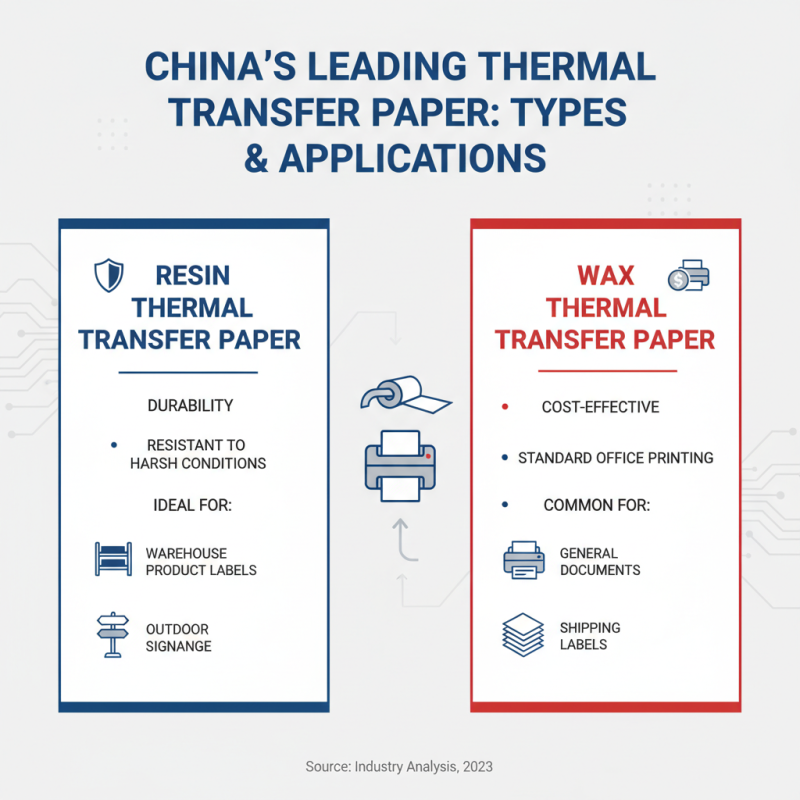
China's Leading Thermal Transfer Paper Types and Their Applications
Thermal transfer paper is essential in various industries. In China, several types are prominent, each serving unique purposes. For instance, resin thermal transfer paper is known for its durability and resistance to harsh conditions. This makes it ideal for labeling products in warehouses or for outdoor signage. On the other hand, wax thermal transfer paper is cost-effective and commonly used for standard office printing tasks. It provides decent quality for everyday applications.
Another popular type is the wax-resin thermal transfer paper. This offers a balance between quality and cost. It is often used in retail environments for barcode labels. These labels maintain clarity and readability even in challenging conditions. Businesses might struggle with choosing the right type. Understanding specific needs is crucial. The right paper can lead to better printing results.
Moreover, it’s essential to consider printer compatibility. Not all papers work with every printer model. Users often overlook this detail, which can lead to inefficient printing processes. Testing different types can yield better insights into performance. The right choice not only enhances quality but can also lead to cost savings in the long run.
Key Advantages of Using Thermal Transfer Paper in Various Industries
Thermal transfer paper has become essential in many industries. Its popularity stems from its high-quality output and versatility. According to a recent industry report, the global thermal transfer printing market is expected to reach $5.69 billion by 2027. This growth reflects the increasing demand across sectors, including retail, healthcare, and logistics.
One of the key advantages of thermal transfer paper is its durability. Labels printed on this medium are resistant to moisture, chemicals, and extreme temperatures. This feature is crucial for industries like food and pharmaceuticals, where labeling compliance is vital. The lifespan of these labels can exceed five years, ensuring that important information remains intact over time.
Another notable benefit is the print quality. Thermal transfer printing produces sharp, clear images, enhancing product visibility. According to data, companies that prioritize high-quality labeling see a 20% increase in consumer trust. Moreover, the sustainability factor cannot be ignored. Many thermal transfer paper products are now recyclable, aligning with the industry’s growing focus on eco-friendly practices. However, the environmental impact of production processes requires continued evaluation and improvement.
Market Trends: Thermal Transfer Paper Demand and Supply in China
The demand for thermal transfer paper in China is on the rise. Industries such as retail, logistics, and manufacturing increasingly rely on this technology. Thermal transfer paper offers high-quality printing, making it essential for barcodes and labels. Businesses look for durability, clarity, and reliability in their printing solutions. The increased need for efficient tracking systems drives this market forward.
However, the supply chain faces challenges. Raw material shortages can lead to price fluctuations. Producers must adapt to maintain quality while managing costs effectively. Manufacturers are exploring alternative materials and innovative production techniques. Sustainability concerns also impact sourcing decisions. The balance between quality and affordability remains a recurring issue.
Understanding market trends is crucial for buyers. They need to be aware of current demands and potential shortages. Researching suppliers is essential for making informed choices. It's important to consider both domestic and international sources. The evolving landscape of thermal transfer paper in China presents opportunities and hurdles. Careful evaluation of these factors helps businesses thrive in a competitive environment.
China Top Thermal Transfer Paper Uses Benefits and Buying Guide
| Dimension |
Data |
| Market Size (2023) |
$1.5 Billion |
| Annual Growth Rate |
6% from 2022 to 2027 |
| Primary Application |
Labeling and Packaging |
| Key Industries |
Retail, Food and Beverage, Logistics |
| Top Quality Features |
Water-resistant, High-resolution Printing |
| Popular Sizes |
A4, 4"x6", 6"x8" |
| Average Price per Roll |
$20 - $50 |
| Major Challenges |
Raw Material Price Fluctuations, Competition from Digital Solutions |
Factors to Consider When Purchasing Thermal Transfer Paper
When purchasing thermal transfer paper, several key factors warrant careful consideration. The type of printer you own plays a significant role. Different printers require specific paper types. For example, some printers work better with resin-based papers, while others prefer wax or mixed options. Understanding your printer's specifications can save you from future frustrations.
Another important aspect is the intended use of the labels. If you're labeling products exposed to harsh conditions, opt for durable paper. It should withstand heat, moisture, and chemicals. Conversely, for indoor uses, standard options could suffice. Pay attention to the adhesive quality as well. A strong adhesive ensures that labels stay in place, even on challenging surfaces.
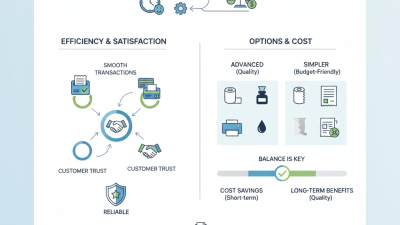
Pricing is also a crucial consideration. While high-end papers may offer superior quality, they might not be necessary for every project. Evaluate your budget and weigh it against your needs. Sometimes, a mid-range option could provide the best balance between cost and performance. Reflecting on your specific needs will help you make a more informed decision.
Top Uses of Thermal Transfer Paper in China
Quality Standards and Certifications for Thermal Transfer Paper in China
Thermal transfer paper plays a vital role in various industries in China. Quality standards and certifications are crucial for ensuring the reliability of this product. The industry often relies on guidelines provided by organizations like ISO and ANSI. These certifications guarantee that the thermal transfer paper meets safety and performance specifications.
In China, the market has shown a significant growth rate. According to the latest industry report, the demand for thermal transfer paper is projected to rise by about 8% annually over the next five years. Such growth emphasizes the need for maintaining high-quality standards. Manufacturers aim for compliance with key certifications to remain competitive. This includes rigorous testing for durability and print quality.
However, there are challenges. Not all manufacturers adhere to these standards, which raises concerns about product reliability. The presence of subpar materials can lead to poor printing results and decreased consumer trust. Buyers need to be cautious and look for certifications like ISO 9001. Thorough verification of quality can mitigate risks associated with product failure, ensuring better outcomes in their applications.



 Phone
Phone Send Email