How to Choose the Best Thermal Papers for Your Printer?
When selecting the best thermal papers for your printer, quality plays a pivotal role. According to David Johnson, a leading expert in the thermal papers industry, "The right thermal paper can greatly enhance print quality and efficiency." With so many options available, it can feel overwhelming.
Thermal papers vary in type, coating, and thickness. Each factor can affect the printer's output. For instance, a thicker paper may provide better durability but might not suit every printer. Understanding these specifications is crucial for achieving the best results.
However, not all suppliers adhere to high standards. Some products may disappoint in terms of print clarity or even lead to printer malfunctions. It’s essential to research and compare options before making a purchase. Choosing thermal papers is not just about price; it's about finding a balance between cost and quality.
Understanding the Basics of Thermal Paper Types and Their Uses
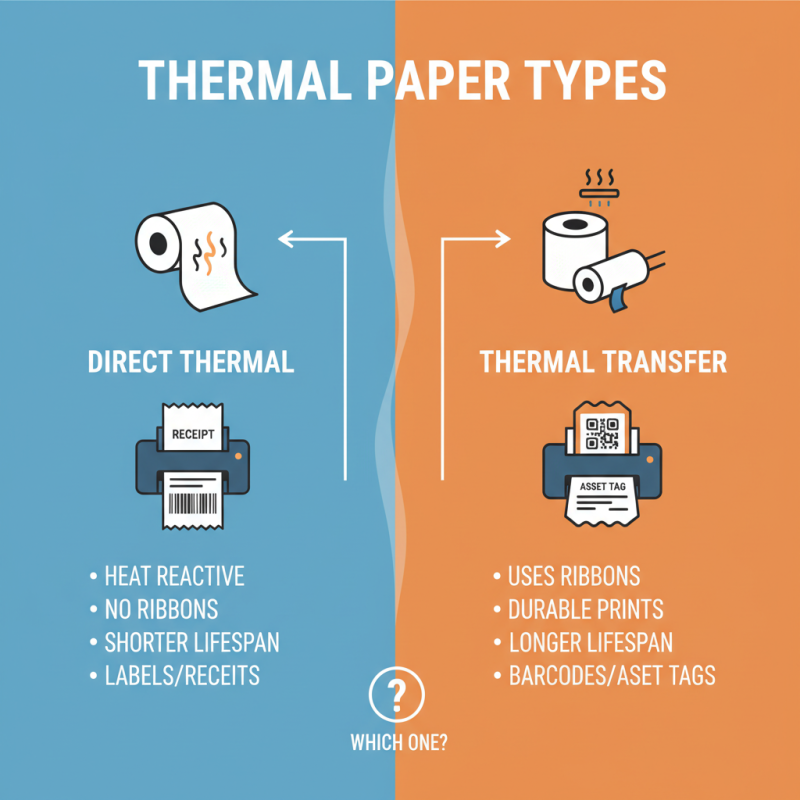
When considering thermal paper, it’s essential to understand the different types available. There are mainly direct thermal and thermal transfer papers. Direct thermal paper reacts to heat and produces an image, while thermal transfer paper needs ribbons to create prints. Each type serves distinct purposes and varies in quality.
Choosing the right thermal paper can be tricky. Sometimes, users select based on cost, but they might overlook print longevity. Environmental factors can affect the performance of thermal papers too. For instance, heat or humidity can cause the print to fade quickly.
It's also worth noting that not all printers work well with every paper type. Test samples can save you time and resources. You might find that the most affordable option doesn’t suit your needs. Reflecting on past experiences, it’s clear that investing in quality could lead to better results.
Evaluating Printer Compatibility with Different Thermal Paper Specifications
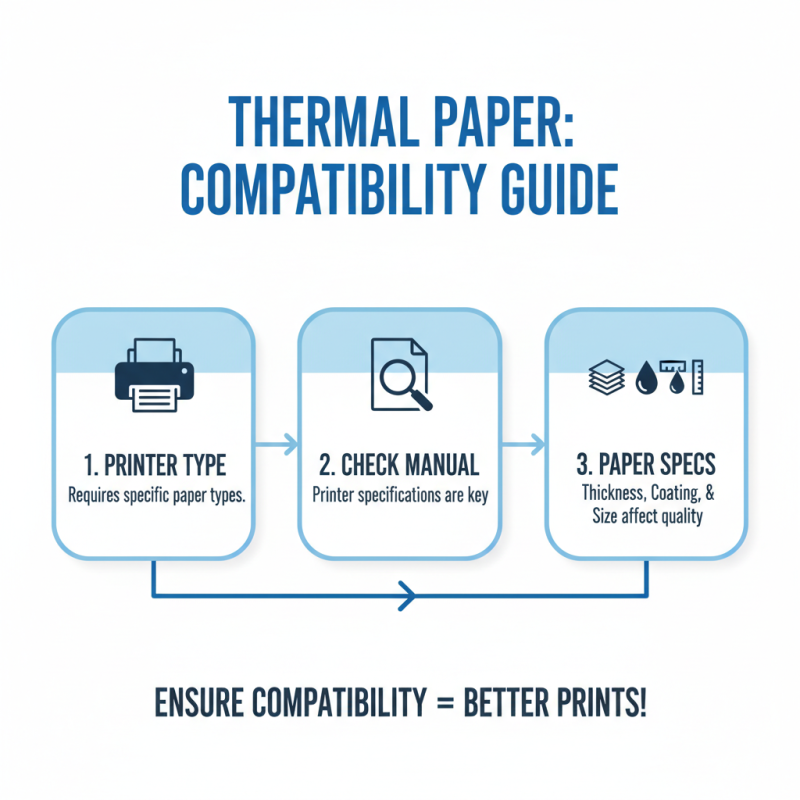
When choosing thermal paper, printer compatibility matters. Different printers require specific paper types. Knowing your printer's specifications is essential. The thickness, coating, and size can affect printing quality. Check your printer manual for recommended thermal paper specifications.
Tips: Always match the paper width to your printer’s capabilities. A paper that is too thick may jam. A paper that is too narrow will waste resources.
Some thermal papers have different coatings. These coatings influence how the printer transfers heat. It's vital to test a small roll before purchasing in bulk. This way, you can identify any possible issues with your printer.
Tips: Look for papers with good image quality when printing. Lower quality may lead to fading or smearing. Consider your end use. If it’s for long-term storage, go for better quality paper.
Key Factors to Consider When Selecting Thermal Paper Quality
When selecting thermal paper for your printer, quality is crucial. Start with thickness. Thicker paper generally leads to better durability. It can resist wear and tear more effectively. Thin paper may seem cost-effective but often results in smudging and fading. Choose a weight suitable for your specific printing needs.
Consider the sensitivity of the paper as well. High sensitivity papers react more quickly to heat. This can improve the print quality and speed. However, be mindful that overly sensitive paper might lead to unintended prints. It’s important to find a balance. Look for a paper type that maintains quality over time.
Environmental factors also play a role in your choice. Humidity and temperature can affect paper performance. Make sure your storage conditions are optimal. Additionally, look for papers with eco-friendly certifications. While quality is essential, it’s good to reflect on sustainability. Striving for a responsible choice can enhance your overall printing experience. Choose wisely and think long-term.
How to Choose the Best Thermal Papers for Your Printer? - Key Factors to Consider When Selecting Thermal Paper Quality
| Quality Factor |
Importance Level |
Recommended Specifications |
| Paper Thickness |
High |
80 - 150 microns |
| Sensitivity |
High |
Low to Medium Sensitivity (e.g. 3.5 - 5.0) |
| Coating Quality |
Medium |
Single or double coating |
| Durability |
High |
Long lifespan, resistant to moisture and heat |
| Environmental Compatibility |
Medium |
Recyclable materials preferred |
| Print Quality |
High |
Sharp, clear images and text |
Exploring the Environmental Impact and Sustainability of Thermal Papers
When considering thermal papers, the environmental impact is crucial. Many thermal papers contain harmful chemicals. These chemicals can leach into the environment, affecting soil and water. Often, the production process involves significant resource consumption. This includes water, energy, and raw materials, raising sustainability concerns.
Finding eco-friendly options is essential. Some manufacturers create papers using recycled materials. These alternatives reduce waste and lessen the carbon footprint. Biodegradable thermal papers are also emerging in the market. However, they may not always perform as well as traditional options. It’s a balance between quality and environmental consciousness.
Consumers must reflect on their choices. Using thermal paper is convenient but has implications. Are we prioritizing immediate convenience over long-term sustainability? Striving for a greener choice is vital. The journey to better options is ongoing, and we need more awareness in this area.
Comparison of Thermal Paper Types: Environmental Impact
Tips for Sourcing Thermal Papers from Reliable Suppliers and Brands
When sourcing thermal papers, reliability is crucial. Many vendors claim high-quality products but often fall short. It’s essential to do thorough research. Industry reports suggest that over 30% of thermal paper users have experienced issues due to poor sourcing. This highlights the need for diligence.
Consider the material and coating of thermal papers. Quality varies significantly between suppliers. Reports indicate that papers with a thermal-sensitive coating can enhance print durability and sharpness. Additionally, understanding your printer’s specifications is vital. Not all thermal papers are compatible with every printer.
Evaluating supplier reviews and ratings can provide insight. Look for suppliers with consistent quality feedback. A recent study found that 65% of users prefer vendors who offer clear product details. This transparency is a sign of a reliable supplier. Investing time in sourcing can prevent headaches down the line.


 Phone
Phone Send Email