China Best Thermal Printing Labels for Your Business Needs?
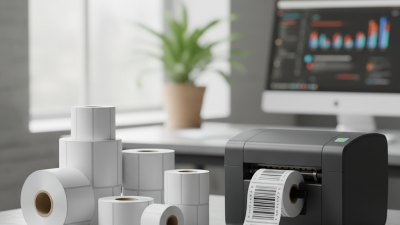
In today’s fast-paced business environment, choosing the right Thermal Printing Labels can greatly impact efficiency. Many companies rely on these labels for shipping, inventory management, and product labeling. However, not all Thermal Printing Labels are created equal. Businesses need to understand their specific needs to select the best options available.
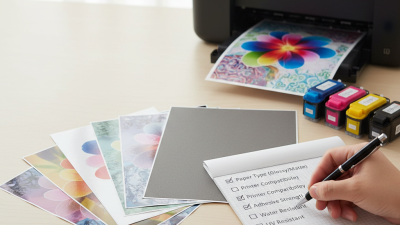
Quality matters. A durable thermal label ensures clear printing and longevity, which saves time and money. Factors such as label material, adhesive strength, and compatibility with printers are vital. Many might overlook these details, thinking all labels work the same. This misconception can lead to costly mistakes in operations.
Moreover, the market is flooded with various suppliers. Finding a reliable source is crucial. This requires research and sometimes a trial-and-error approach. Establishing trust with a vendor brings peace of mind. Businesses should reflect on their experiences and preferences, embracing the journey of finding the best Thermal Printing Labels for their unique requirements.
Understanding Thermal Printing Labels and Their Applications
Thermal printing labels are gaining traction across various industries. Understanding their applications is essential for businesses. These labels use heat to transfer ink onto paper, making them efficient and cost-effective. Reports indicate that the global thermal printing market is projected to reach $55 billion by 2026. This growth underscores their importance in sectors like logistics, retail, and healthcare.
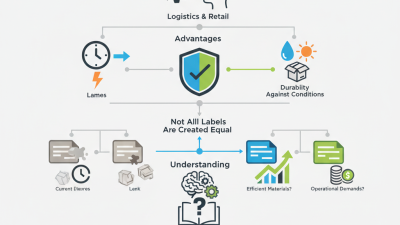
When considering thermal printing labels, it's important to recognize their versatility. They can be used for barcodes, shipping labels, and product labels. Their durability is another key factor. According to industry surveys, 75% of businesses prefer thermal labels due to their resistance to smudging and fading. However, not all thermal labels are created equal. Some may fade in high temperatures or under direct sunlight. This inconsistency can lead to challenges in tracking and inventory management.
Tip: Choose the right thermal label material for your specific use case. Different environments require different label types. Testing labels in real-life situations can prevent headaches down the line.
Thermal printing also offers high-speed printing capabilities. This is especially beneficial during peak seasons. Nevertheless, businesses must avoid rushing into decisions. Careful consideration of printer compatibility and label specifications is vital. Mismatches can lead to wasted resources.
Tip: Regularly review your label printing process. Continuous improvements can enhance efficiency and save costs over time.
Types of Thermal Printing Labels Suitable for Businesses
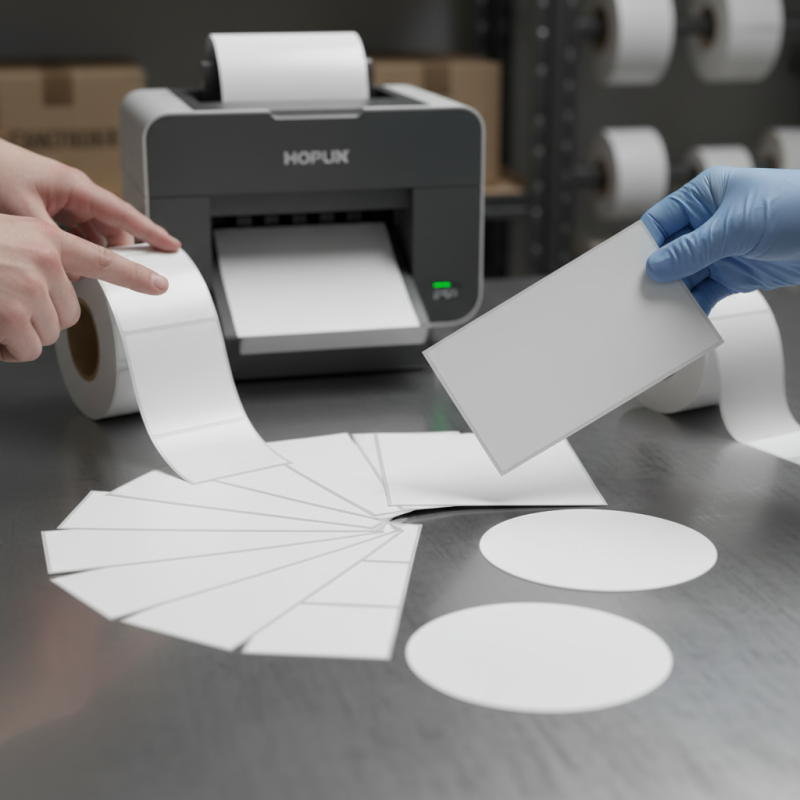
When considering thermal printing labels for business, it’s essential to understand the various types available. Thermal printing labels come in two main categories: direct thermal and thermal transfer. Each serves distinct purposes.
Direct thermal labels are commonly used for shipping and receipts. They are efficient, but sensitive to heat and light, leading to fading over time. This type is ideal for short-term use, where durability isn’t the primary concern.
On the other hand, thermal transfer labels utilize a ribbon to produce high-quality images. They are more durable and resistant to elements like moisture and chemicals. According to a report by Technavio, the global thermal transfer label market is expected to grow by 5% annually. This growth highlights the increasing demand for long-lasting, reliable labeling solutions in various industries, such as logistics and retail.
It's crucial for businesses to reflect on their specific needs when choosing a label type. Some may prioritize cost-effectiveness, while others might need more resilience. A balance must be struck between functionality and budget constraints. As the industry evolves, staying informed about the latest advancements in label technology can guide businesses in making informed choices.
Key Factors to Consider When Choosing Thermal Labels in China
When selecting thermal printing labels for your business in China, consider the material type. Labels come in paper and synthetic options. Paper labels are cost-effective but may not withstand moisture or extreme temperatures. Meanwhile, synthetic labels offer durability and resist fading. Think about your product's environment when making this choice.
Next, adhesive strength is crucial. Not all adhesives perform equally on various surfaces. Ensure the adhesive can withstand different conditions, such as humidity or exposure to sunlight. Test labels on your products to see how well they stick. This ensures reliability over time.
Lastly, compatibility with printers is vital. Not every label works with all printers. Check label specifications to avoid printing issues. Communication with suppliers can clarify these details. Sometimes, a sample test run could reveal hidden challenges. Choosing the right labels requires careful thought.
China Best Thermal Printing Labels for Your Business Needs
| Label Type |
Material |
Adhesive Type |
Temperature Resistance |
Print Quality |
Typical Applications |
| Direct Thermal |
Paper |
Permanent |
Up to 60°C |
Standard |
Shipping Labels, Retail |
| Thermal Transfer |
Polyester |
Removable |
-20°C to 80°C |
High Quality |
Product Labels, Barcode Labels |
| Waterproof |
Vinyl |
Permanent |
-30°C to 90°C |
High Quality |
Outdoor Use, Food Labels |
| Eco-Friendly |
Recycled Paper |
Biodegradable |
Up to 50°C |
Standard |
Sustainable Products |
| Specialty Labels |
Synthetic |
Hot Melt |
-10°C to 70°C |
High Definition |
Specialty Products, Chemical Labels |
Top Manufacturers and Suppliers of Thermal Printing Labels in China
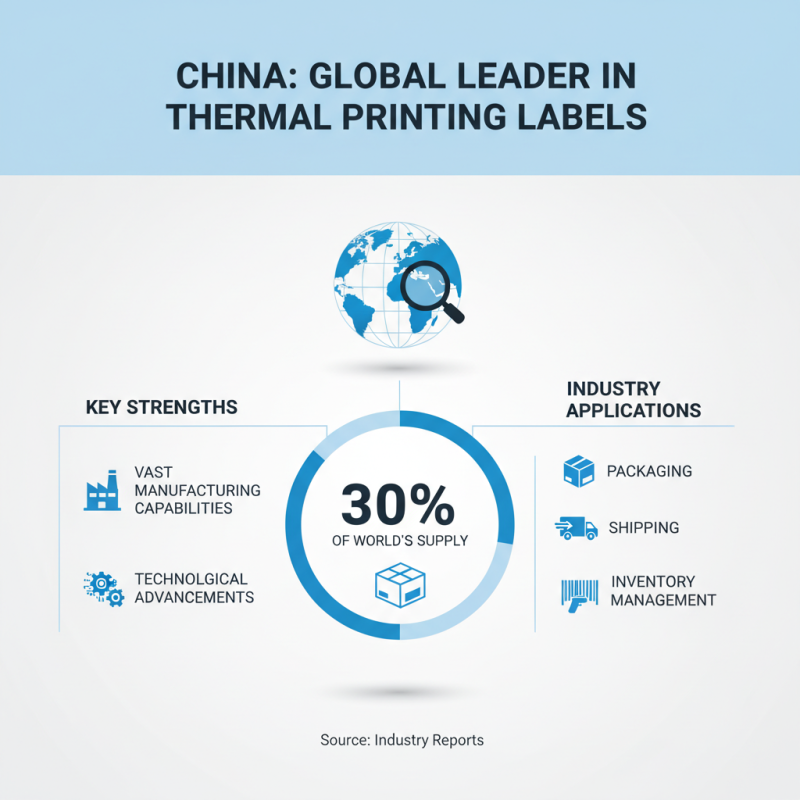
When it comes to thermal printing labels, China stands out as a key player in the global market. The country supplies about 30% of the world’s thermal printing label demand. This is due to its vast manufacturing capabilities and technological advancements. Many industries rely on these labels for packaging, shipping, and inventory management.
Leading manufacturers in China produce labels with various adhesives and thermal coatings. Reports show that the market for thermal printing labels is projected to grow at a CAGR of 6.2% from 2022 to 2027. However, while the quality is often consistent, the fluctuation in production standards can be surprising. Some labels don’t withstand extreme conditions, affecting longevity.
Robust suppliers often provide a range of options, from eco-friendly materials to high-temperature resistant labels. Yet, businesses need to be cautious. Not all suppliers maintain the same standards. Researching and verifying supplier credibility is essential. A reliable supplier will offer various solutions tailored to meet specific needs. Always ask for samples before making large orders. This helps ensure you receive products that match your expectations.
Best Practices for Using Thermal Printing Labels Effectively
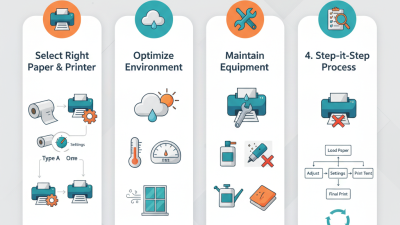
When utilizing thermal printing labels, it is essential to follow best practices. Start by ensuring the labels are compatible with your printer. This prevents jams and misalignment issues. Use high-quality labels to enhance durability and readability. Check the temperature settings on your printer regularly. Too hot may cause smudging, while too cool can lead to faded prints.
Employ a clear labeling system. This will improve organization and efficiency in your workplace. Consider using color-coded labels for different categories. It helps to minimize errors and simplifies inventory management. It’s also wise to review your label application process. Inefficiencies can slow down operations. Regularly assess whether your current approach meets your growing business needs.
Don’t ignore the importance of maintenance. Cleaning your printer will optimize its performance and extend its lifespan. Neglect can lead to higher costs down the line. Testing labels before full runs is another useful practice. Simple mistakes can be costly. Stay conscious of the balance between speed and quality. Explore new techniques, but don’t rush into change without thoughtful consideration.




 Phone
Phone Send Email