How to Choose the Best Inkjet Label Sheets for Your Needs?
Choosing the right Inkjet Label Sheets can be a daunting task. With so many options available, it’s essential to make an informed decision. According to Avery Dennison, an industry leader in label solutions, "The right label can transform your project." This emphasizes the importance of selecting the best sheets for your specific needs.
When embarking on this journey, understanding your requirements is vital. Consider printing volume, label size, and adhesive strength. Different projects may require different types of Inkjet Label Sheets. You might find yourself struggling to decide between glossy and matte finishes. Each type serves a unique purpose and impacts the final look of your labels.
In the world of Inkjet Label Sheets, even experts acknowledge that choices can seem overwhelming. It’s easy to overlook factors like compatibility with your printer. Remember, the wrong choice can lead to wasted time and resources. Careful consideration will help you avoid common pitfalls. Ultimately, finding the best Inkjet Label Sheets is about balancing your project needs with your budget and personal preferences.
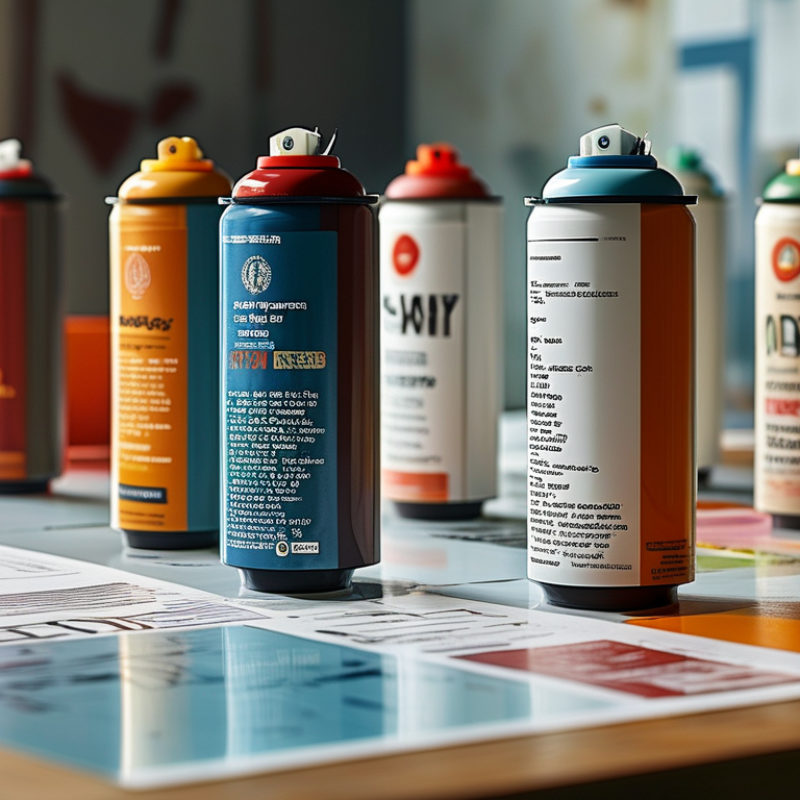
Understanding Different Types of Inkjet Label Sheets and Their Uses
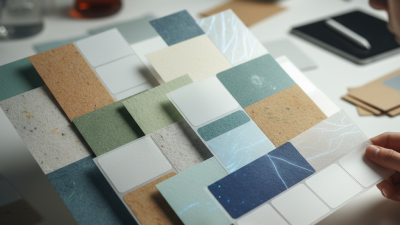
When selecting inkjet label sheets, it's essential to understand the various types available. There are
matte,
glossy, and
clear finishes, each serving a unique purpose.
Matte labels are excellent for writing, while glossy labels enhance images and text with a vibrant finish.
Clear labels can create a seamless look on packaging, but they may not work well on all surfaces.
The paper quality varies significantly among label sheets. Some are waterproof, ideal for products exposed to moisture. Others are more suited for indoor use.
Consider your environment before making a choice. Labels that curl or smudge easily can lead to frustration. Testing a few samples may help you determine which type functions well in your specific situation.
Additionally, the adhesive strength is a crucial factor. Some labels stick strongly, while others peel off easily over time. Think about the surface texture where you’ll apply them.
You might find that a certain type of adhesive works better on glass than on cardboard.
Seeking feedback or reading reviews can also give insights into long-term performance.
Evaluating Material Quality: Paper vs. Synthetic Labels and Their Durability
When selecting inkjet label sheets, durability is key. The choice between paper and synthetic materials significantly impacts performance.
Paper labels are often less expensive, but they can struggle with moisture. Reports show that paper labels can lose adhesion after exposure to water. This makes them suitable for indoor use, where humidity is not an issue.
On the other hand, synthetic labels made from materials like polyester or vinyl excel in durability. They resist water, tearing, and temperature fluctuations. According to a study by the
Label Manufacturers Association, synthetic labels can last up to five times longer than paper ones under harsh conditions. This robustness makes them ideal for outdoor applications or products stored in varied environments.
Tips: Before choosing, consider where the labels will be used. If moisture is a concern, lean towards synthetic options. Also, assess print quality requirements. Some inkjet printers may perform better with specific materials. Test samples can provide valuable insights into how each label will hold up in your specific project.
Assessing Print Quality: DPI and Its Impact on Label Clarity
When selecting inkjet label sheets, print quality is paramount. DPI, or dots per inch, plays a key role in how sharp and clear your labels appear. A higher DPI typically means better detail and vibrancy, but it can also lead to increased ink usage. This is a crucial point to weigh against your print budget and design requirements.
Understanding your project's needs is essential. For example, vivid colors may require 1200 DPI for optimal appearance. However, simpler black-and-white labels may only need 300 DPI. This choice directly affects both the look of your labels and the efficiency of your printing.
Consider your printer's capabilities too. Not all inkjet printers support high DPI settings. Testing with various label sheets can reveal unexpected results. Some sheets may smear at high resolutions while others excel. Watch for inconsistencies that could impact production.
Balancing quality with cost and printer limitations can be a challenging process, requiring thoughtful experimentation and adjustments.
Considering Adhesive Strength: Permanent vs. Removable Labels
When selecting inkjet label sheets, adhesive strength is crucial. Labels typically come with either permanent or removable adhesives. Permanent adhesives create a strong bond, ideal for long-lasting applications. A study from the Label Manufacturers Institute suggests that 75% of consumers prefer permanent labels for durability.
On the other hand, removable labels allow for flexibility. You can reposition them without leaving behind residue. This is essential for temporary uses, such as promotions or events. According to research by Smithers Pira, the market for removable labels is growing, increasing by 7% annually. This indicates a shift in consumer preference toward labels that can adapt to changing needs.
However, the right choice depends on specific use cases. If you're labeling products for resale, permanence is often necessary. In contrast, if you’re organizing items at home or in the office, removable options might be better. It's essential to weigh the pros and cons of each adhesive type. Making the wrong choice could lead to frustration later on. Experimenting with different labels can help refine your decision to match your specific needs.
How to Choose the Best Inkjet Label Sheets for Your Needs? - Considering Adhesive Strength: Permanent vs. Removable Labels
| Label Type |
Adhesive Strength |
Best Uses |
Environmental Resistance |
Print Quality |
| Permanent Labels |
High Adhesion |
Shipping labels, product labeling |
Water and UV resistant |
High quality, vibrant prints |
| Removable Labels |
Low Adhesion |
Price tags, temporary information |
Not waterproof, easy to peel off |
Good quality, but may smudge |
| Weatherproof Labels |
High Adhesion |
Outdoor use, product packaging |
Waterproof and UV resistant |
Excellent print quality |
| Specialty Labels |
Variable Adhesion |
Custom applications, specialized use |
Depends on material |
Varies greatly |
Cost-Effectiveness Analysis: Pricing Trends for Inkjet Label Sheets
When considering inkjet label sheets, cost-effectiveness is crucial. Recent market reports indicate a steady increase in pricing due to raw material costs. For instance, the average price for a standard sheet rose by 5% over the past year. This trend reflects not just inflation but also supply chain challenges affecting manufacturers.
Industry experts suggest that evaluating your needs can help in making savvy purchases. High-quality sheets may seem expensive initially, but their durability often leads to lower long-term costs. A recent analysis showed that businesses using premium sheets reduced their reprinting rates by 30%. However, budget-conscious buyers might find cheaper options appealing, yet they often compromise on quality. Inconsistent adhesion or fading can create additional expenses and frustrations.
Cost is always a consideration, but so is quality. As prices shift, keeping track of market dynamics becomes essential. Buying in bulk can also provide savings. It's wise to weigh immediate costs against potential losses from using inferior products. An informed choice today could prevent wasteful spending tomorrow.


 Phone
Phone Send Email